Why Kidepo Valley is Uganda’s best safari destination is a conversation that happens among serious safari travelers’ who have been to the Masai Mara national park and Serengeti national park, who have done Bwindi and Queen Elizabeth national parks, who have spent enough time in Africa to know the difference between a good safari and a genuinely extraordinary one. When those travelers start talking about the places that surprised them most, the places that felt most real and most wild and most like Africa was supposed to feel, Kidepo Valley National Park comes up again and again. This remote, rugged, achingly beautiful park in the far northeast corner of Uganda is not the most visited safari destination in the country. It is not the most written about or the most photographed. But it is, by the reckoning of every experienced traveler and guide who knows it well, Uganda’s finest safari destination and in 2026 it has just become even more compelling than ever before.
The Wilderness That Defines Kidepo.
The first thing you notice about Kidepo is the size. The park covers approximately 1,442 square kilometers of semi-arid savannah, open plains, and dramatic mountain terrain in Uganda’s Karamoja region near the borders of South Sudan and Kenya, and it carries an atmosphere of genuine remoteness that is becoming increasingly rare in modern African travel. There are no crowds here. No convoys of safari vehicles jostling for position around a lion sighting. No lodge rooflines breaking the horizon in every direction. Just you, an expert guide, and a wilderness that feels entirely and completely yours from the first game drive to the last.
The landscape itself shifts dramatically across the park’s two main valleys. The Narus Valley in the south is the wildlife heart of Kidepo a broad open plain fed by the Narus River that draws animals year-round and delivers the kind of concentrated and consistently excellent game viewing that most parks only achieve during their peak dry season weeks. The Nile Valley in the north is wilder, less visited, and more densely vegetated, with a sense of prehistoric remoteness that makes every drive through it feel like genuine exploration.
The Wildlife Uganda’s Most Diverse and Surprising.
Most travelers who visit Uganda come for the mountain gorillas of Bwindi, and the gorilla experience remains one of the greatest wildlife encounters on earth. But the wildlife of Kidepo Valley is a revelation for anyone who arrives expecting something lesser. The park is home to over 77 mammal species, many of which cannot be found in any other Ugandan national park, and the combination of species available here is genuinely extraordinary.
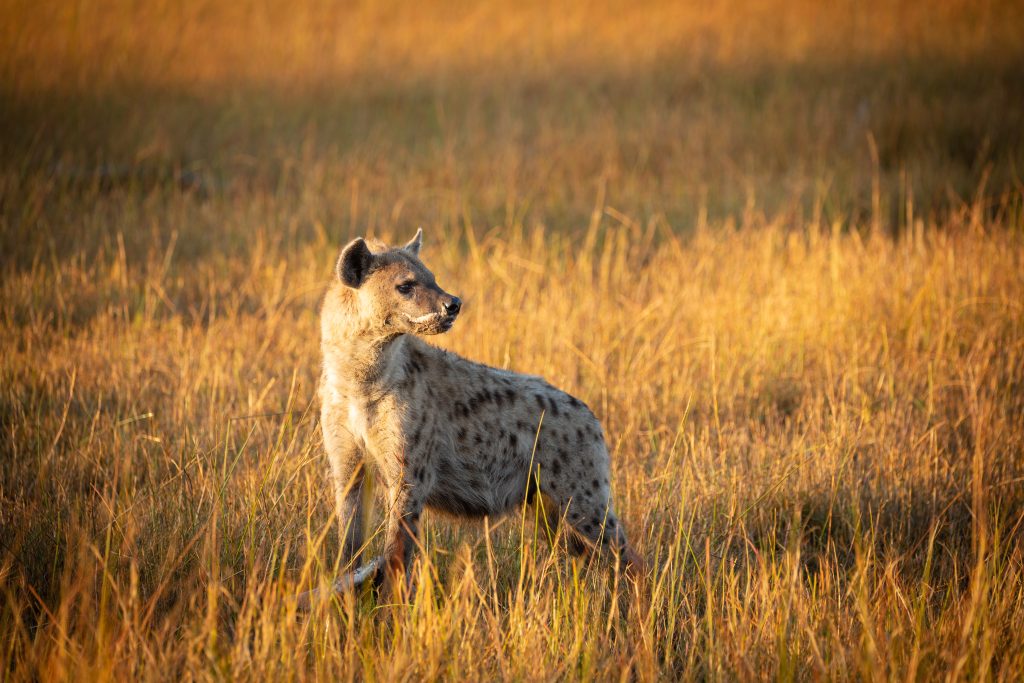
Kidepo has one of Uganda’s most stable and visible lion populations, with resident prides that are regularly encountered on game drives throughout the year. Cheetahs are present and occasionally seen they are extremely rare in Uganda and found almost nowhere else in the country with any reliability. African wild dogs, one of the most endangered carnivores anywhere on earth, have been recorded in the park with increasing frequency in recent years. Ostriches stalk the open plains in their magnificent, improbable way Kidepo is the only place in Uganda where you can reliably see them in the wild. Rothschild’s giraffes, Burchell’s zebras, large herds of buffalo, elephants, and spotted hyenas complete a wildlife list that most parks in East Africa would be genuinely proud of.
Uganda’s Newest Big Five Destination.
In March 2026 Kidepo Valley National Park became something it had not been since 1983 a Big Five safari destination. Uganda Wildlife Authority completed the historic reintroduction of southern white rhinos to the park on March 17, 2026, translocating the first animals from Ziwa Rhino Sanctuary more than 400 kilometers away in a landmark conservation operation that drew international attention from the BBC, Reuters, and wildlife organizations across the world. Eight rhinos are being established in a secure sanctuary within the Narus Valley, and the return of this species after more than four decades of absence represents one of the most significant conservation milestones in Uganda’s history.
The addition of rhinos to Kidepo’s wildlife roster means that the park now supports lions, leopards, elephants, buffalo, and rhinos within a single extraordinary wilderness a Big Five combination that was previously unavailable anywhere in Uganda outside of the rhino sanctuary at Ziwa.
Karamojong Cultural Dimension.
What elevates a Kidepo safari beyond even the finest pure wildlife experience is the opportunity to engage meaningfully with the Karamojong people, the seminomadic pastoralist communities who have inhabited this region for centuries. The Karamojong maintain a cattle-centered culture of extraordinary depth and dignity their traditional homesteads known as manyattas, their ancient relationship with the Kidepo landscape, and their warmth toward respectful visitors add a human and cultural dimension to the safari experience that game drives alone cannot provide.
Getting There and When to Go.
Kidepo is remote by any measure, approximately 700 kilometers from Kampala by road. Charter flights from Entebbe or Kajjansi Airstrip reach the park’s Apoka airstrip in approximately two hours and are the preferred option for most visitors. The best wildlife viewing conditions are during the dry seasons from December to February and June to August when animals concentrate around the Narus Valley water sources and vegetation is low enough for excellent visibility.
Kidepo Valley is not a destination for travelers looking for convenience. It is a destination for travelers looking for something real.