Northeastern Uganda holds a secret that most travelers never discover. While thousands flock to the southwestern parks for gorilla trekking, the rugged plains of Karamoja remain one of Africa’s last true frontiers. This is not a destination for those seeking luxury lodges and paved roads. It is the land of the curious, the adventuresome, and the culture-sensitive. In this land, there is a juxtaposition between the ancient pastoralist lifestyle and the awe-inspiring volcanic setting. It is the land where one can climb to heights of three thousand meters and tell stories with the Karamojong tribe while sitting on cattle kraals. For those who venture there, they will be rewarded with something that is becoming increasingly uncommon in African tourism authenticity. Herein is the information on everything you should know about traveling to Moroto and the area around it.
Why You Should Consider Karamoja.
Karamoja is the traditional home of the Karamojong people, an indigenous ethnic group that practices semi-nomadic pastoralism, with cattle herding central to their culture. While most ethnic groups have adopted modernity, the Karamojong have maintained their traditions almost untouched. Their manyattas, consisting of groups of thatched mud houses surrounded by thorn bushes, are scattered across the open land. Their warriors engage in traditional dance routines decorated with beads and red clay. They consume amerinyang, which is a highly nutritious drink containing cow’s blood, milk, and ghee.
For tourists who wish to explore somewhere unique, there is no other place in Uganda like Karamoja. The scenery is expansive and striking. The interaction with local culture is authentic and unforced. There is a sense of discovery here. Unlike some other popular spots, you will not be sharing your stories with hundreds of other visitors.
Getting to Moroto and Around.
Reaching Karamoja requires planning but is entirely manageable. Of course, the easiest mode of transport will be flying. There are several air services such as Aerolink Uganda that provide both scheduled and charter flights from Entebbe Airport in Uganda to Moroto Airstrip, which takes around two hours of incredible aerial sights in Uganda’s countryside.
By road, it will take eight to ten hours to travel from Kampala to Moroto through Soroti. This trip would require you to use a four-wheel drive vehicle. This route goes through Jinja, the birthplace of the Nile River and Mount Elgon. Therefore, it becomes possible to take a rest for one night in Sipi Falls on the way.
In Moroto town, boda-boda is the main mode of transportation when moving around town. However, in case you have to visit a village, mountain, or any national park, then you have to hire a private car with a guide driver.
What to see and do in Moroto.
The highest mountain and one that forms the highlight of the region in terms of scenery and trekking is Mount Moroto. This mountain towers at 3,083 meters above sea level and has the slopes covered by dry montane forests which gradually change into bamboo and alpine forest as the elevation increases.
A trek to Imagit Peak, the most common trekking route, usually takes between six and seven hours. You hike up very early in the morning to avoid the scorching sun and you encounter a variety of birds and even colobus monkeys. The views from the summit stretch across the Karamoja plains and, on clear days, into Kenya. A local guide is required and costs approximately fifty thousand Ugandan shillings. However, for those with extensive hiking experience who seek a more challenging option, a hike to Sokodek Peak, the tallest peak of the mountain, is a perfect choice.
It is highly recommended to visit the Moroto Cultural Museum first for an overview of what you will see when you visit local villages. This museum, located in town, contains various items and implements related to the Karamojong culture and their cattle herding activities.
The visit to the manyatta of the Karamojong people is the highlight of any visit to the region of Karamoja. Traditional Karamoja manyattas feature round designs with the cattle enclosure forming the central point, while the homestead houses for the families form the outer circle.
The Manyatta is indeed a person’s house. This person will introduce you into their culture, and you will know how to behave there. They may demonstrate beadwork or dance for you, or they might just let you sit with the elders and listen to tales from old. The community should be paid a donation of between twenty thousand and fifty thousand shillings depending on the size of the group visiting. It would be better to spend a night in a cattle kraal.
Apart from the mountain and manyattas, there are other sites worth visiting in Moroto. The Moroto market is the busiest in the morning hours where you will see trading going on for sorghum, beans, animals, and colorful local clothes. Rock formations in the vicinity are ideal locations for capturing sunrise and sunset photos. You can also take a quad bike tour through the foothills and interact with the locals.
Beyond Moroto: Pian Upe and Kidepo National Park.
Though Moroto is indeed an ideal starting point for the trip, the larger Karamoja area has two incredible wildlife locations that should definitely not be missed on your visit.
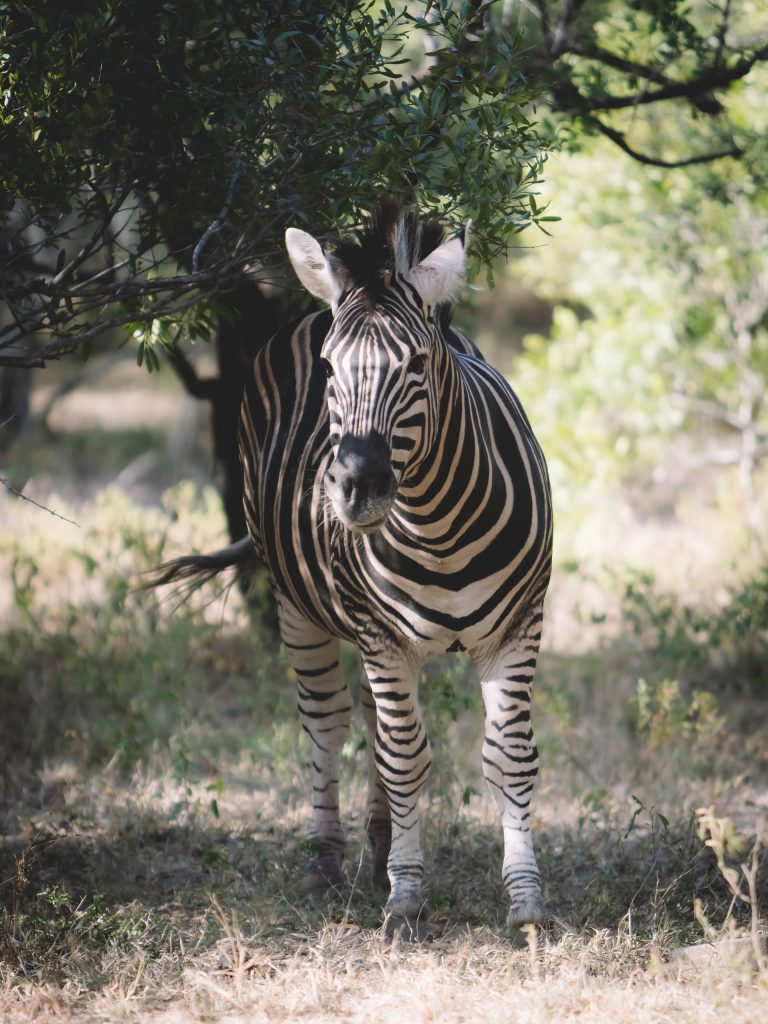
Firstly, Pian Upe is Uganda’s second largest national park but gets much less attention from tourists than western national parks in Uganda. This impressive savannah habitat hosts cheetahs, roan antelope, giraffe, ostrich, and two unique birds found only in Uganda Fox’s weaver and the Karamoja apalis. The Pian Upe wildlife reserve also boasts the fascinating Napedet cave which has great archaeological significance. Game drives in Pian Upe feel genuinely wild. You may drive for hours without seeing another vehicle.
Kidepo Valley National Park lies to the north of Karamoja and has been described as one of Africa’s most beautiful wilderness areas. The national park is home to more than seventy-five mammals and almost five hundred bird species, such as lions, elephants, buffalos, cheetahs, and ostriches. Game viewing can be done easily in the Narus Valley with its consistent source of water. The Kidepo Valley, characterized by its dry river bed surrounded by borassus palms, has a striking landscape. Accommodation facilities range from campgrounds to the lavish Apoka Safari Lodge.
Travel Tips for Karamoja.
Travelling to Karamoja demands some planning. Some of the things that should be taken include:
• Sturdy walking shoes or sandals.
• Layered clothes, since there are changes in temperature.
• Water and sun protection
• Ugandan shilling money as there are few ATM machines.
Always ask permission before photographing people. Take off your shoes before going into the house if you’re asked to do so. Respect the elders by greeting them first. Never criticize livestock because they play an important part in their culture. Offer small presents like salt, soap, or sugar to the community as tokens of appreciation.